
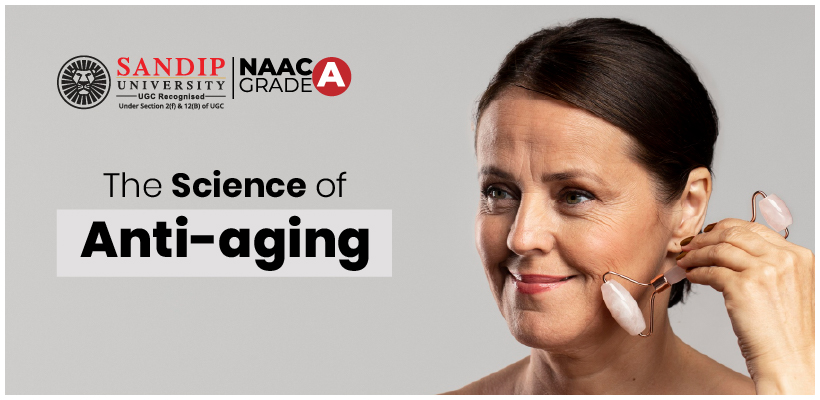
The aging of the skin is an extremely natural and biological process; it is bound to happen. But it is the most sought out area of research in cosmetic science and dermatology. As time goes on the skin tends to wrinkles, drying, uneven pigmentation, and sagging occur due to structural degradation, reduction in cellular repair and molecular damage. The recent anti-aging strategies not only focus on improving the appearance of the skin but target the biological mechanisms that affect the aging process. Understanding the science behind skin aging and the clinical and topical techniques available helps what works and what doesn’t. Some of the top beauty cosmetology colleges in Maharashtra are conducting path-breaking research in the science behind anti-aging.
Molecular Mechanisms of Skin Aging
There are two basic pathways through which aging occurs first is intrinsic which is programmed genetically which leads in gradual reduction in cell renewal and repair. The second is eccentric. This type of skin aging occurs due to environmental exposures like UV, pollution, and lifestyle. Even though their triggers are different, both pathways lead to similar effects.
The first and most important change is loss of collagen. The cells called fibroblasts produce collagen, this collagen is the one that maintains skin firmness and elasticity. But with age the fibroblasts become inactive resulting in reduction of collagen, and the collagen fibers that are present tend to break down. This leads to thinning of the skin and formation of wrinkles.
The second major factor to consider is oxidative stress. The pollution, UV radiation leads to oxidation that damages DNA, lipids and proteins. These free radicals further activate the inflammatory pathways and collagen -degrading enzymes and lead to structural damage in the skin. The activation of these inflammatory pathways reduces the ability of the surrounding cells to repair themselves and hence leads to signs of visible aging.
Last but not the least the skin barrier also weakens with age. Lipids that are present in the skin structure like ceramides declines which leads to increased water loss, dryness and sensitivity. This leads to the formation of fine lines and slows down the skin’s healing process.
Key Anti-Aging Ingredients
There are a few ingredients that directly work on these pathways. First is retinoid, it has the power to regulate the gene expression in skin cells, increase collagen synthesis, reduce collagen breakdown and increase the cell turnover. They also help with hyperpigmentation.
After that comes antioxidants like vitamin C. They help reduce and neutralise the free radicals and support the formation of collagen formation. Similarly, niacinamide helps improve skin barriers and peptides help the fibroblasts increase the production of collagen.
Last but not least is sunscreen, it remains the most powerful anti-aging tool because it prevents oxidation due to UV and prevents DNA damage and collagen loss.
Clinical Anti-Aging Techniques
Topical ingredients can only go so far there are several dermatological procedures that can be used to stimulate skin repair and rejuvenation.
Platelet-Rich Plasma (PRP) Therapy
In this therapy which uses the patient’s own blood, the platelets are separated from the blood and injected into the skin. The platelets release growth factors that help in stimulation of collagen synthesis, improve wound healing and enhance tissue regeneration. Besides, all this PRP helps in facial rejuvenation, improves wound healing and enhances. As the antiaging material that we are using is the patient’s own biological material, the risk of allergic reaction is minimal.
Botox Injection
Botox or Botulinum Toxin Injection is used to temporarily relax facial muscles that are responsible for expression lines. By reducing the contraction muscles, it reduces wrinkles especially on the forehead and crow’s feet. Regular use can also prevent formation of further deeper wrinkles.
Dermal Fillers
They are mostly based on hyaluronic acid, which restores the lost facial volume and smoothens the so-called rough edges. They work by attracting water and actually physically supporting the dermis. This improves the contour and reduces sagging. The difference between Botox and fillers is that fillers look after the structural volume rather than muscle movement.
Laser Resurfacing
This therapy removes the damaged outer skin layer and that helps the collagen to remodel the dermis. What it does is they create microscopic injury that triggers healing and new collagen formation. In turn improving wrinkles, pigmentation and texture.
Chemical Peels
This process is where chemical exfoliants like AHA (Alpha Hydroxy Acids) remove damaged surface level cells and helps to renovate epidermal renewal, medium and deep peels can also help stimulate the production of collagen and lead to smoother and even skin.
Microneedling
In microneedling tiny, controlled injury is created to activate the wound healing that increases collagen and elastin production and improves absorption of topical treatments.it works best with PRP.
Conclusion
Anti-aging was all about reducing wrinkles and physical signs of aging temporarily, but there are no more advances in molecular biology, dermatology and clinical technology have transformed science from temporary to cellular repair and prevention, and more or less meaningfully slowing down visible signs of aging. For a career in cosmetic science that tackles anti-aging, you can pursue a course like B.Sc Beauty Cosmetology to work in this field.
The conclusion is that aging cannot be stopped but understanding science can allow us to manage its effects more effectively.