
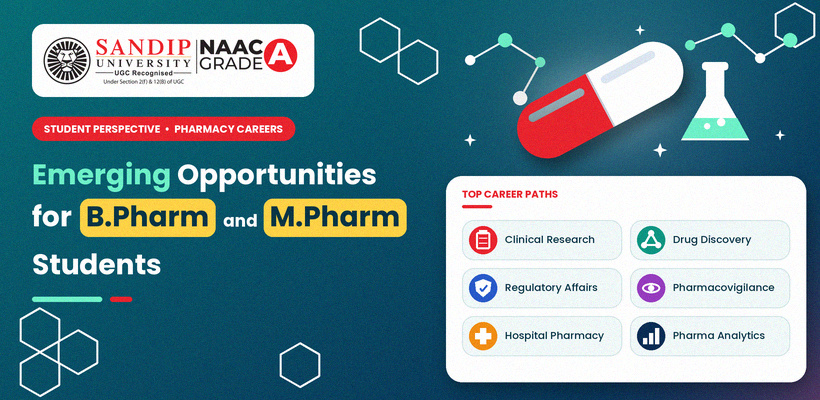
At the time I started teaching, a career in pharmacy was fairly straightforward – manufacturing, quality control or a pharmacy counter. Today, this is not the case anymore. Pharmacy is now merged with biotechnology, Data science, Clinical research, Digital healthcare. Pharmacy students’ “Where can I get a job?” question has evolved to “How can I […]
Read More
Artificial Intelligence is becoming more than just science fiction and research-and-development. It’s helping students learn better, platforms to suggest products, doctors to diagnose and banks to combat fraud. It has simplified and made tasks easier and quicker through research done by engineers from some of the top computer science colleges in Nashik, but will making […]
Read More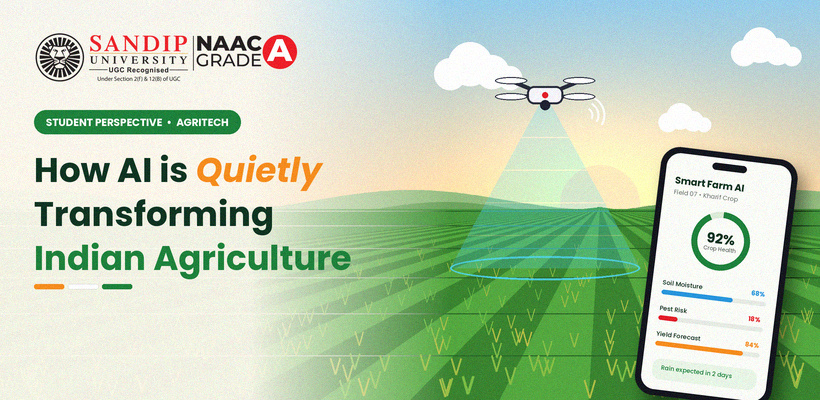
Agriculture supports nearly half of India’s workforce, yet most of its 140 million-plus farms are small and depend heavily on weather, markets. And local knowledge. Artificial intelligence engineers from some of the top computer science colleges in Nashik are now helping smallholders make improved decisions, from what to sow to when to sell. Here is […]
Read More
The B.Tech in Artificial Intelligence & Machine Learning (AI & ML) program has moved beyond the realm of Research Labs and dedicated technology firms to become essential capabilities for businesses. Artificial Intelligence/Machine Learning (AI/ML) are now business capabilities rather than technology tools confined to research labs or dedicated technology firms. They are becoming a part […]
Read More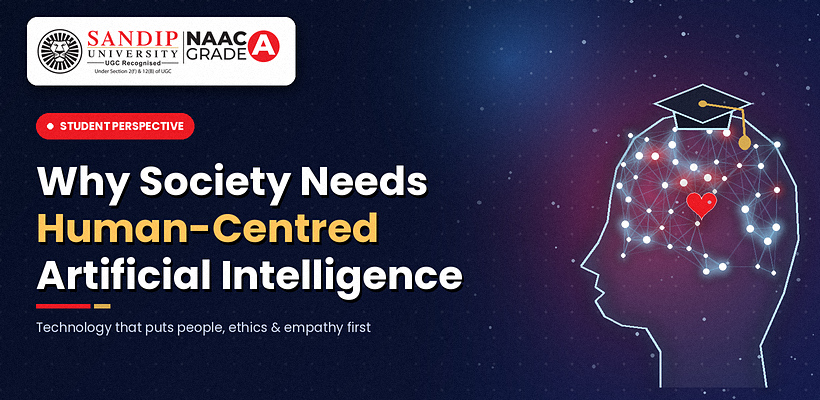
Any really good technology usually starts with a simple observation: it’d work better if it did. A process or process phase is too slow. A machine suddenly comes to a halt. Overwhelmed by the volume of information, an engineer from one of the top computer science colleges in Nashik has to make these observations. The […]
Read More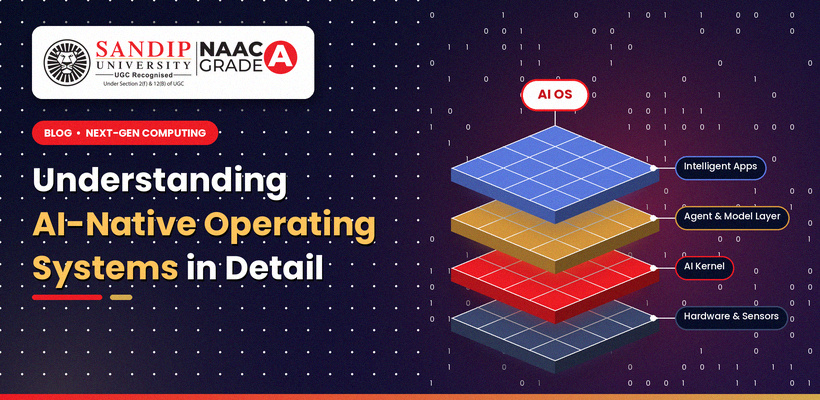
Operating systems (OS) have been known to be the basic level of software that works between the hardware and software of the computer. They control processors, memory, storages, I/O devices, processes, users and security. The fast growth of artificial intelligence, Generative AI, autonomous agents, edge computing, and heterogeneous computing technologies is altering our expectations from […]
Read More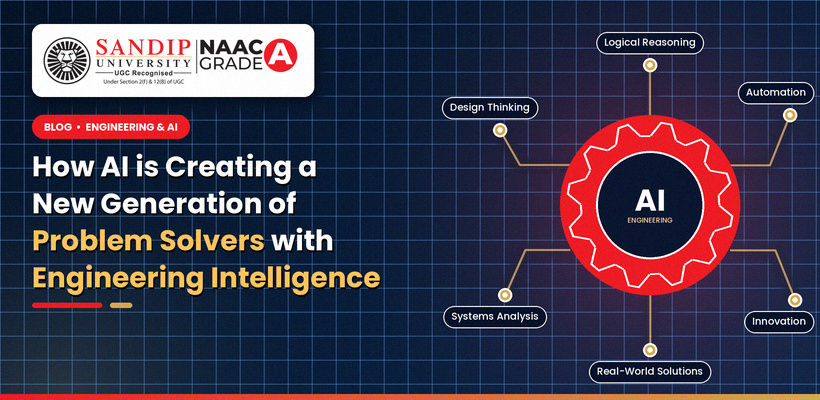
The technology of the era has been the way of every generation of engineers. The attention was once given to machines, electronics and automation. Later in the years, software became an important part of engineering, as did the internet. Nowadays, AI and Machine Learning are a part of that journey. The unique feature of AI […]
Read More