
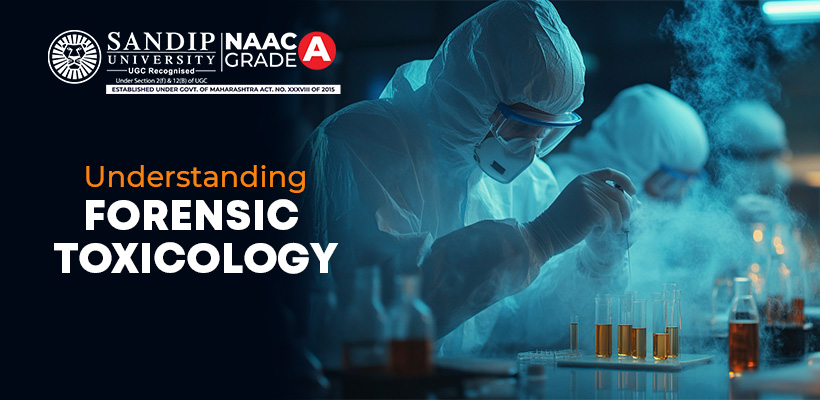
The word “toxicology” comes from the Greek word “toxicon”, which meant “poisonous substance”. Toxicology is an area of clinical medicine to do with poison as related to where it comes from, what it is like, how it works and so on, to include; symptoms, lethal dose, toxicity, diagnosis, treatment, and signs on postmortem issues. Some […]
Read More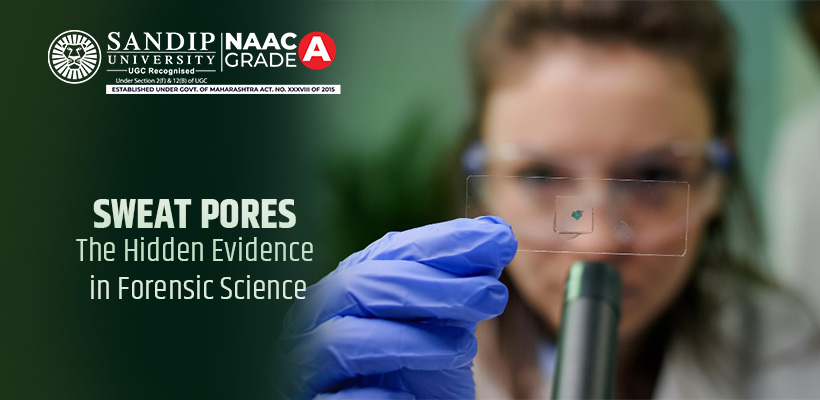
Fingerprints, DNA, bloodstains and hair are examples of evidence that forensic science has always used. However, as criminal methods get more complex the field of science needs to look into new areas of evidence. One such area is sweat pores, which hasn’t gotten attention. Sweat pores are openings of sweat glands found on the skin’s […]
Read More
Data science is really changing the healthcare industry especially when it comes to devices. These devices, like heart monitors and glucose monitors, make a lot of data every day. Data science helps us collect, analyse and understand this data to make care better, improve how devices work and help doctors make good decisions. Some of […]
Read More
Learning new words is a big part of getting a good command of a language. When you want to speak a language well you need to know a lot of words. This is true, for everyone, no matter if you are a student or a teacher or someone who is just trying to learn a […]
Read More
In the world of forensic science, the spectrophotometer is often the silent workhorse of the laboratory. The spectrophotometer provides the foundational data required to move a case from a “suspected” substance to a “quantified” reality. For a forensic science student, mastering this instrument is not just about passing a chemistry exam; it is about developing […]
Read More
When the term forensic investigation comes in the picture, then we only think about fingerprints, DNA profiles, blood or bloodstains. However, not all cases have fresh evidence like biological evidence. Sometimes, investigators found only skeletal remains, which are silent, incomplete, and devoid of soft tissues. In criminal investigations, human skeletons are discovered in their stages […]
Read More
A pesticide is an agent (or combination of agents) that is designed to prevent or destroy pests or to regulate the population of pests (for instance, in plants or animals) as well as prevent and/or eliminate pest damage to any products that are grown from or create, process, store, distribute and market food. There are […]
Read More