
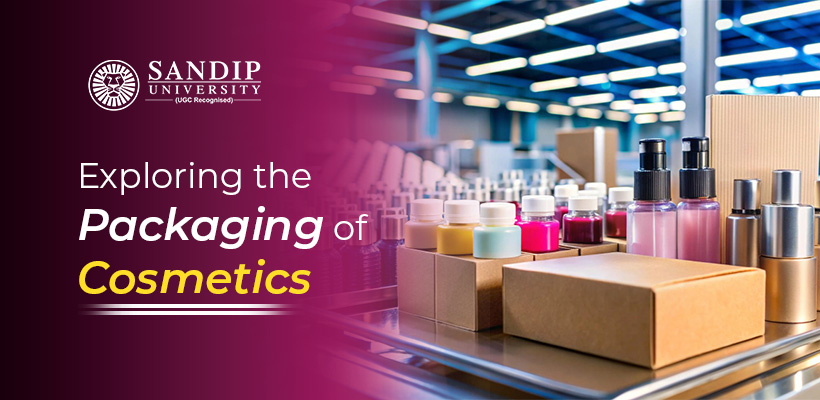
A box holds more than just makeup. Protection matters just as much as the cream inside it. Scientists study materials while marketers watch buyer habits. Safety rules shape how bottles are built. Some teams think about trash after use, others focus on shelf appeal. Ideas mix when engineers talk to designers. What looks good must also work well over time. Some of the top beauty cosmetology colleges in Nashik include cosmetic packaging in the curriculum to help students understand this concept.
A single package does more than hold things. Protection comes first – keeping makeup safe from dirt, air, and heat. Storage becomes easier because containers fit neatly on shelves or inside bags. Moving bottles across countries? Tough outer layers handle bumps and drops without spills. Looks matter just as much though – the way it appears tells people who made it and what it stands for. A color choice hints at luxury, while shape suggests simplicity or boldness. First impressions form before opening, shaped entirely by design.
Beauty product boxes matter more these days because shoppers pay closer attention, care about nature, yet pick between countless similar items on shelves. Firms respond by trying new shapes, using greener stuff, even smarter wrapping methods – drawing eyes while leaving less behind.
Looking at how makeup gets boxed up – this piece dives into styles, stuff used, layout rules, eco problems, plus what sways buyers when picking beauty goods.
Understanding Cosmetic Packaging
Wrapped up tight, cosmetic packaging holds everything from lotions to lipsticks. From soaps to sprays, it keeps each item safe on shelves. Boxes, bottles, tubes – they all play a part before you even twist one open. Hidden behind every scent or serum is material meant to guard freshness. Presentation matters just as much as protection here. Little pots of cream sit beside tall perfume glasses without mixing chaos. Each wrapper has a purpose beyond looking clean on display. Safety lives inside folds and seals long before first touch.
Packaging in cosmetics usually does one thing – holds the product safely inside. It also gives customers a way to recognise the brand through shape or color. Another role shows details like ingredients, using clear labels on the outside.
Sealed barriers stop outside dirt from getting in, while keeping contents safely inside. Leaks stay avoided because materials resist breaking down over time. Stuff lasts longer when shielded properly from air and moisture exposure.
Storing it takes little effort because the design fits tight spaces. Moving around is simpler since the shape slides into bags without bulk. Applying the product feels smooth, almost natural, thanks to how it’s built.
Communication: Conveys product information, branding, and regulatory details.
One study shows how what something looks like on the shelf sways most buy choices – nearly seven out of ten happen because of it. Looks matter extra much when people walk into stores and pick things fast.
Types of Cosmetic Packaging
Packaging for cosmetics usually splits into three levels: first, second, third. One keeps the product safe up close. Another adds an outer shield during shipping. A different one helps stack neatly in storage. Every layer has its own job. Protection matters most – but so does how it looks on shelves.
Primary Packaging
Wrapped around the product itself, primary packaging keeps cosmetics safe and stable. This outer shell makes using the item easier, serving as a barrier plus support during handling.
Examples include:
- Lipstick tubes
- Lotion bottles
- Foundation containers
- Serum droppers
- Mascara tubes
- Cream jars
Few people think about how a bottle might change what’s inside. Yet materials can react strangely when left touching lotions or creams over time. So picking the right wrap matters more than it seems at first glance.
Secondary Packaging
A wrapper around the main package makes up secondary packaging. This outside part helps carry a brand’s look while shielding what’s inside. Information about the item shows here too instead of just on the inner pack.
Examples include:
- Cardboard boxes
- Decorative cartons
- Printed packaging sleeves
Wrapped around the outside, secondary packaging usually holds key details like:
- Ingredients
- Usage instructions
- Manufacturing details
- Expiry dates
- Brand messaging
Tertiary Packaging
Wrapped boxes often ride inside larger containers when moving goods long distances. These outer layers keep everything safe until arrival.
Examples include:
- Shipping cartons
- Pallets
- Protective wrapping
Built out of sight, tertiary packaging still holds things together when stuff moves around. It keeps products safe while they travel through supply chains.
Materials Used in Cosmetic Packaging
Picking what goes around your beauty product matters – keeps things safe, strong, long-lasting. One choice might hold up well but break down slowly. Another could fade fast yet play nice with nature.
Advantages of Plastic Packaging Include
- Lightweight
- Cost-effective
- Good durability
Still, trash made of plastic troubles nature, pushing companies to try materials that break down or get reused.
Glass Packaging
Though often chosen for high-end items like perfumes, glass holds a quiet presence among serums and similar liquids. Its role emerges clearly where appearance meets function – without calling attention to itself. Sometimes overlooked, yet always there, it carries essential oils with steady reliability. Not loud, never flashy, just part of how these products feel complete.
Key Benefits Include
- Excellent product protection
- Chemical stability
- Premium aesthetic appeal
- Recyclability
Bottles made of glass might seem handy, yet their weight often complicates hauling them around. Fragility sneaks in too, raising the chance something cracks during transit.
Metal Packaging
Fresh off production lines, metal cases often hold things like deodorants. Compact powders find a home inside them too. Aerosol sprays? They usually ride out in metallic shells.
Common metals include:
- Aluminum
- Tinplate
Benefits of metal packaging include
- High durability
- Strong barrier protection
- Excellent recyclability
These days, aluminum wraps stand out because they can be kinder to nature.
Paper and Cardboard Packaging
Packaging meant for looks often ends up made of paper stuff. Not plastic. Paper. It gets printed on, folded just right – common choice when the product hits shelves. People see it first. Still does the job without flash.
Advantages include:
- Eco-friendly properties
- Recyclability
- Lightweight structure
Customisable Printing Options
Folks behind lots of skincare labels are choosing FSC-checked paper, so trees come from well-managed forests. Trees get a break when companies pick this route instead of just any cardboard or wrap.
Design Ideas for Makeup Containers
A well-working makeup package works hard through looks, function, and strong branding. To build one, creators balance appeal against keeping contents safe, always aware of how people see it.
Visual Appeal
From color choices to font styles, what you see shapes first impressions of beauty items. A product’s look – its curves, hues, or lettering – guides gut reactions before a word is read. Shape whispers tone; shade hints at function. Typography isn’t just readable – it’s felt. Each visual piece nudges judgment without saying a thing. For example:
- Simple wraps usually mean a brand leans toward pure ingredients
- Fine touches of gold paired with see-through jars usually mean high-end goods
- Colors that pop often hint at a brand feeling fresh or full of energy
Ergonomics and Usability
Handling should feel natural when someone picks up the package. Convenience matters each time it gets opened or closed. Features like simple seals plus clear labels help a lot. Design choices shape how people interact with the product inside. Easy grip edges appear helpful during daily routines. What works well often stays unnoticed until it’s missing.
- Pump dispensers for lotions
- Dropper bottles for serums
- Twist-up tubes for lip balms
Wrapping that feels natural in your hands tends to stick around longer in memory. A package you can actually manage without frustration changes how you see what’s inside.
Product Protection
Light, air, or moisture might weaken a cosmetic formula. To keep things stable, the wrap around it needs to block those out. A good shield means fewer changes inside. For instance, Pumps without air stop things from reacting with oxygen.
Refillable Packaging
Instead of tossing the bottle, people keep it – new liquid comes in smaller packs. The original holder stays; only what’s inside gets swapped out each time. Containers get a second life when fresh supplies arrive separately. Rather than buy everything again, just the used part is replaced. A big piece sticks around while little bits come and go. What you started with remains – the rest changes quietly.
Waste drops when brands stick around, building trust over time instead of chasing quick wins.
Examples include refillable:
- Foundation bottles
- Powder compacts
- Skincare containers
Minimalist Packaging
Out of nowhere, companies began using less stuff to wrap their products. Think of it like this: fewer pieces, simpler look – call it bare-bones wrapping if you want. Strategies include:
- Removing unnecessary outer packaging
- Using mono-material containers
- Designing lightweight packaging
Fewer expenses come through these methods, while nature feels less pressure. A lighter footprint shows up where it matters most.
Conclusion
Science slips into the mix when materials guard fragile formulas from light or air. Design steps forward not to impress but to guide hands toward one brand instead of another. Marketing hums beneath color tones and font curves, nudging decisions without words. Sustainability threads through later stages, long after unwrapping begins. Protection matters first, yet meaning builds slowly across touches, glances, uses. What holds the product also tells part of its story, quietly.
Facing a crowded marketplace where eco-awareness matters, firms now weigh what materials they use alongside fresh design ideas plus how green their methods really are. When those parts come together well, results include better products while drawing customers closer. Pursuing a B.Sc in Beauty Cosmetology can help you further understand the importance of cosmetic packaging.
One step at a time, better tools and discoveries push change – how beauty products are wrapped now matters more than ever worldwide. Packaging isn’t just holding things. It’s becoming part of what drives the look, feel, and reach of cosmetics across markets. Each improvement adds weight to its influence slowly building over years. What sits on shelves tells a deeper story shaped by science inching forward.