
Taxation is an integral part of the financial lives of individuals and businesses. Paying taxes shows up regularly in both personal and company finances. When someone brings home pay – be it wages, profits, or returns on assets – a cut goes straight to state hands.
From there, funds flow into roads, schools, clinics, safety nets. What gets built or supported depends on how budgets shake out each year. Paying taxes sits on everyone’s to-do list because law says so, yet most still search for lighter bills. Still, cutting what you owe comes in shades – some clear, some murky. Professionals holding qualifications from B.Com colleges in Nashik are equipped with the skills and knowledge to advise individuals and businesses when it comes to taxation.
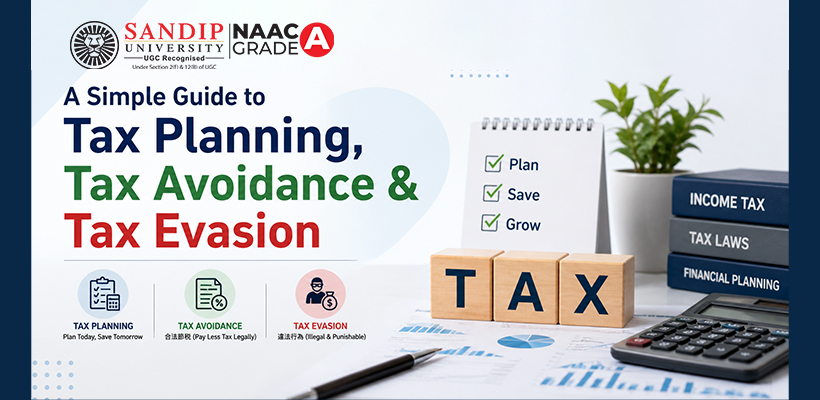
Legal tricks exist, ones even the system supports, but gray areas hide behind others. That line? It splits into planning, dodging, and escaping. Knowing which is which shapes choices that won’t bring knocks later.
Tax Planning
- Looking at your money differently can lower what you owe in taxes – without breaking any laws. Smart moves today mean more stays in your pocket later. Rules set by authorities actually encourage savings through special benefits built into the system.
- Options like write-offs, breaks on certain earnings, or refunds help trim the total bill. Handling income this way shows foresight, nothing more, nothing less.
- A worker who earns a fixed monthly salary might put money into things such as provident funds, insurance plans, or government-approved options – each helping lower what they owe in taxes. Because operational costs matter just as much, companies often deduct spending tied directly to daily functioning. These moves, whether by individuals or firms, count as part of how people organize finances around tax rules. Looking ahead with taxes isn’t only for cutting costs now.
- Over time, it builds stronger control over personal finances. A smart approach today shapes how someone saves, puts money to work, or reaches big life targets. Staying on track keeps habits steady while following every rule without exception. Most people overlook how the system actually rewards smart choices.
- Government-backed perks exist to nudge behaviour – toward putting money aside, funding businesses, or backing key industries. Taking advantage means paying less while fuelling broader financial momentum. Growth feeds back into communities without anyone needing a lecture on responsibility. Putting it plainly, arranging finances to lower taxes happens within rules, carefully, honestly.
Tax Avoidance
- Most folks mix up tax avoidance with tax planning, but they are not quite the same. Finding less obvious paths through legal rules can shrink what you owe.
- Laws often miss some edge cases simply because covering everything down to the last bit isn’t practical. A person might set up money matters just inside legal lines, yet miss the point entirely.
- Shifting earnings around could make numbers seem smaller on paper – profits tucked away where taxes won’t touch them easily. Rules get followed word by word, though the spirit gets bent nearly out of shape. What shows in reports often hides what truly flows behind the scenes.
- Just because something fits within the law does not mean people see it as right. Skipping a proper portion of taxes through fine print makes others wonder if that’s truly fair. Governments change rules now and then, fixing weak spots so they cannot be twisted too far.
- Paying less tax might catch the eye of revenue officials. When deals look odd or tangled, closer looks tend to follow – maybe even audits or legal reviews. That kind of attention often brings stress and unpredictability for the person paying taxes. Simply put, dodging taxes happens when people spot holes in rules and slip through them – fair or not.
Tax Evasion
- Out here, dodging taxes stands as the worst way to lower what you owe. Breaking rules on purpose – that’s how it happens. Legal strategies? They’re a different story entirely. Sneaking out of payments crosses the line, no debate. Lawmakers treat that sort like crime, not clever moves.
- Hidden earnings slip past tax rules when someone chooses silence over honesty. False details creep into filings, twisting what should be clear. Fake books appear, built on numbers that do not reflect real events. Some skip reporting deals entirely, letting them vanish from sight. Undeclared pay slips through cracks, often buried beneath layers of oversight. Cash trades happen off the grid, leaving no trace behind. Invoices arrive out of nowhere, created just to mislead.
- These moves repeat, each one shaping a pattern authorities watch closely. Caught cheating on taxes? That brings big penalties, sometimes prison time too. Heavy fines show up fast when the system catches a lie. Losing freedom happens more than people think. This kind of choice damages more than just one person.
- Less money flows to public needs because of missing tax payments. The whole country feels that loss slowly. It’s worth noting how dodging taxes chips away at public confidence. Those who skip payments break the rules, leaving others to carry more weight. Harsh penalties follow because fairness matters. Funny how some folks skip taxes – by lying or covering up what they earn.
- Not reporting income? That counts when numbers get twisted on purpose. Difference Between Tax Planning Tax Avoidance and Tax Evasion Even so, each of these ideas aims to lower taxes yet works in its own way. Tax planning fits within legal boundaries, stays secure when done right.
Following Rules Opens Doors to What the System Allows
- Using those openings wisely makes sense for anyone paying attention. Just because it’s allowed does not mean it sits right. Some find ways around taxes by bending rules where they can.
- These moves might be within the lines, yet feel off somehow. Tax Evasion breaks the law – it’s punished by authorities. This act hides income through deceitful actions. Lying on filings shows clear intent to bypass obligations. What sets them apart is how the person approaches their taxes. Thinking ahead means being smart about money, yet dodging duties twists the system.
- Breaking laws outright? That’s just refusing to follow rules. Choosing an approach that fits Picking how you handle taxes matters a lot – whether you’re working for yourself or running a company. When done right, following rules quietly lifts worry from your shoulders. A steady money plan often grows from these careful steps.
- Still, leaning too hard on dodging taxes carries danger. While it might save money now, trouble often follows when rules shift or officials start asking questions about the deals. A person who pays taxes takes care to be open, truthful, while following rules. Staying out of legal issues happens along with helping the country grow.
Conclusion
Handling taxes matters in everyday money choices, yet doing it properly makes all the difference. Make sure that your tax consultant holds qualifications from some of the top B.Com colleges in Maharashtra to ensure that they are skilled enough to help you in this area. Instead of reacting late, working out a plan early cuts what you owe – without breaking any rules. Dodging payments through loopholes might sit just inside legality, though often feels questionable. Getting caught hiding income brings penalties; simply put, that path leads nowhere safe.
Apply Now for Commerce Programs