
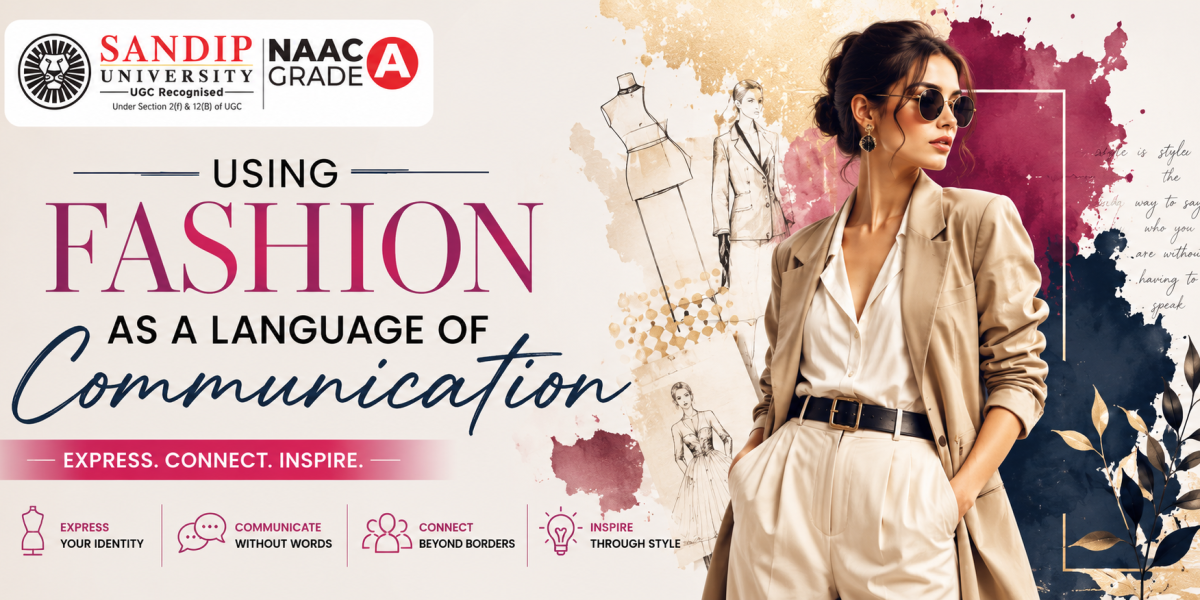
Clothes are one of the most obvious ways to say who you are without having to say a word. What you wear can talk much about your origin, the kind of work you do, your ideals or your cultural links. Most of the time fashion is just new collections on the runway, names of designers and trends that come and go. Interesting features, yes, but interesting features that only tell part of the garment’s story. With digital media, internet markets and international fashion events, people today can learn about types of clothes from almost every corner of the globe. This cross-pollination has given rise to new ideas and has encouraged designers holding qualifications from some of the best fashion designing colleges in Nashik to explore the influence of different cultures on design.
How Clothing Reflects Culture and Identity
Clothing can tell you about a person’s culture, their perspective of themselves and their identity. Fashion is a word to tell your confidence, creativity, goals and likes.” Young people tend to combine traditional activities with contemporary global trends. People might wear traditional dress to family gatherings but more modern dress to work or school. These choices show that identity is complex and always changing, influenced by cultural history and personal experience.
Before the invention of the modern communication technology people could express their identity, profession, religion, age and social status through the clothes, accessories and fabrics they wore. Clothing has long been a major mode of expression for people to convey their identities, their social statuses and their political ideas.
When viewed through the lens of cultural anthropology, clothing is concerned with more than just one’s outward appearance. In doing so, it represents the experiences, values, and traditions that are held in common by a group of people. The geographical location, historical events, climate, and cultural norms of a society all play a role in determining the fashion trends that are generated via that community. There is a reason why fashion is more than just style. The visual language serves as a means of linking individuals to their communities as well as the past to the present.
Communication through the Lens of Clothes: The Visual Code
There are many additional ways in which people communicate with one another. In one culture, the same thing can be represented by a ceremonial robe, a school uniform, a religious garment, or traditional festival garments. All of these things are examples of clothing. Speaking takes time; however, clothes transmit information instantly. Others will have an easier time understanding conventional methods of doing things, significant life events, and society duties as a result of this. In this way, clothing functions as a visual code that individuals from a variety of cultural backgrounds are able to comprehend.
Style and a Sense of Belonging to a Particular Culture
Over the course of time, the fashion habits of any country will evolve. The craft, environment, local resources, and the effects of history all contribute to the distinctive style that is characteristic of each and every location. A significant number of the artistic abilities that have been passed down from one generation to the next continue to implement the use of traditional clothes. Such a wide range of variation may be seen all over India.
Although there has been an increase in global connectivity, the formation of cultural identities is still ongoing. The fact that many of us wear a combination of ancient and modern styles without any trouble is a good hint that tradition and modernity do not necessarily have to be in conflict with one another.
Fashion is a Reflection of Society
Generally speaking, what people wear is a reflection of their society as well as the values that they hold important. A further reflection of the altering interests of society is found in modern attire. When people go shopping for apparel, they are more aware of the importance of ethical labor methods, ethical production, and environmental sustainability. As a result, fashion has evolved from being a matter of appearances to becoming a means of demonstrating social consciousness and personal responsibility.
The Concepts of Globalisation and Cultural Exchange
The fashion industry has been revolutionised as a result of global trade and technological advancement. On the other hand, globalisation also brings up a number of significant ethical issues. There were instances in which the experts would copy the indigenous designs, materials, and traditional patterns, but they would fail to give credit to the tribes that were responsible for creating them. We have a responsibility to show respect for cultural heritage by gaining an understanding of the ways in which these methods have been utilised in the past and ensuring that the individuals who put them into practice are credited and given the opportunity to earn money.
Fashion and Personal Expression
As a result of the advent of internet channels that have opened up vast markets for traditional crafters, local artists now have the opportunity to showcase their work to those who are not located inside their own areas.
To give one example, what cultural standards have an impact on its design? Oh, what is that? To what extent does it influence the connections between people? A historical event is depicted through both the artwork and the materials that were used. Once we have the answers to these questions, it will become abundantly clear that clothing is an essential component of both the culture and the history. Every item of clothing is a reflection of the decisions that people have made based on changes in society, the advent of new technology, the environment and the communities in which they live.
Conclusion
All things considered, fashion isn’t just about being chic or trendy. There is a visual language of communication that chronicles the history of humanity that is taught as a part of programs like B.Sc Fashion and Apparel Design. It acknowledges the distinctions between nations, and reminds us that every piece of clothing has a story waiting to be discovered.