
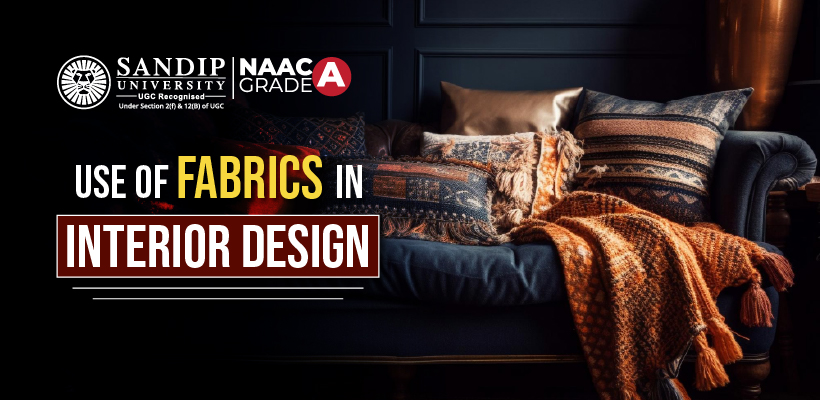
Fabrics shape spaces in ways few materials can. A shift in texture brings rooms to life without effort. Some fibers catch light softly; others absorb it completely. One choice alters both mood and feel. Different weaves invite touch while changing airiness. Cloth covers furniture yet speaks volumes silently. Through fabric, personality enters a room slowly. Some of the best interior design colleges in Maharashtra include the study of fabrics in interior design programs to help students understand their use in decor.
Understanding Natural Fabrics
From fields, forests, and living creatures come natural fabrics. Centuries have passed, yet people still reach for them. Comfort finds a home in these fibers, air moves through easily, they never seem to go out of style. Think of cotton, grown in warm climates. Linen, pulled from flax plants. Wool, shorn from sheep each spring. Each one rooted in the earth’s offerings. Some materials act bold, others stay quiet – each fits a unique spot around the house.
Cotton : The Everyday Essential
Softness fills rooms where cotton settles into place. Because air moves easily through its fibers, people pick it again and again. Nearly every color exists because dyes soak deep inside threads. Used more than most materials, it shows up in homes across continents. What makes it stick around? A mix of comfort, function, and quiet charm.
Cotton stands out because care feels almost effortless. Washing usually means tossing it right into the machine, ideal when life gets messy with children or animals around. A fancy quilted bedspread? Even loud cartoon-patterned sheets – cotton handles both without missing a beat. Design-wise, it slides smoothly into any room mood you create.
Cotton Blends Combining Natural And Synthetic Fibers
Blending cotton mixes its softness with extra perks. When spun with other materials – say, linen or polyester – the fabric toughens up. Wrinkles bother it less. Stains find it harder to stick around.
Picture a couch in a busy home, where little ones bounce around and crumbs land everywhere – cotton mixes stand up to it without falling apart like regular cotton might. Toughness shows best when life gets messy, so these fabrics fit right into daily chaos.
Linen Light Breezy Simple Elegance
Linen comes with little habits of its own. Wrinkles show up fast – some might dislike that, others find it cozy and real, shaped by how you live. Less tough than certain materials, it works best where people pass through slowly, such as quiet sitting corners or rooms kept for visitors.
Most linen needs attention when cleaning. Machine washing might make certain kinds get smaller, which is why hanging them up to dry works better. It turns out, every type behaves differently – one could be thin and soft, whereas another feels heavy and strong. Spotting these details changes how you work with it around the house.
Silk A Soft Luxurious Feel
Fine threads once dressed only kings, yet their soft glow still whispers class. Not just shiny but alive under light, they change how a room feels without saying much. Though common now, that quiet dignity stays – born in palaces, never leaving them.
Out of all fabrics, silk shows up nicely on fancy cushions, flowing curtains, maybe even walls. Though fragile at first glance, some versions – say, raw silk – hold up surprisingly well over time. Take rugs, for example. Heirloom pieces made from silk sometimes stay intact longer than expected.
Still, silk needs gentle care. Sunlight happens to be one of its weakest points. Left in bright light too long, it might fade, change color, or weaken. Because of that, placing it where sun hits hard isn’t ideal – unless there’s backing or shielding nearby.
Even so, many still choose silk when they want spaces to feel elegant and rich. Though it has downsides, its soft glow brings warmth others can’t match. Still, people reach for it – drawn by how light moves across the fabric. Because of its drape, rooms gain depth without trying too hard. Yet, care is tricky; fading happens fast under the sun. Even then, nothing else gives quite that quiet shine.
Wool Is Strong and Warm
From sheep comes a fiber built to last. Toughness pairs with cozy heat, making it fit for spots worn down by constant traffic. From staircases to sitting areas, wool finds its way into floors that get stepped on a lot. Bouncing back after pressure comes naturally to it, so dents fade easily. Even when walked on every day, the look stays fresh for ages. Shape holds firm, year after year, without going flat.
Blended with different materials, it stretches into uses like bed linens and accent pieces. Coziness often follows where wool settles.
Synthetic Fabrics for Everyday Use
Though natural fibers hold appeal, synthetics introduce fresh ideas into home decor. Starting with lab-made threads, they offer toughness where it counts. Because of how they’re built, spills don’t settle easily. Their strength comes from molecules shaped on purpose. Cost stays low without sacrificing performance. Made by precise methods, these textiles adapt well indoors.
Polyester plus acrylic rank among the top man-made materials found inside homes. Fabric choices like these show up often where comfort meets daily wear.
Starting with plastic origins, acrylic copies wool’s feel but acts nothing like it. Light in weight yet strong against sun damage, this material handles damp just fine. Because of that, places inside homes work well – so do patios or yards when weather shifts occur.
Pieces made from man-made fibers sometimes mix in cotton or wool, boosting durability without losing softness or look. Fabric combos like these hold shape better yet still feel familiar against skin.
Conclusion: Selecting Fabric That Fits Your Room
Right fabric choices go beyond appearance – consider how it handles real-life wear. Looks fade when a pretty textile fails under everyday stress. Start by thinking through some basic things you might wonder about. Does lots of footfall pass through here – or hardly any at all? Does the material need to face sun exposure? Cleaning and upkeep – how does that work out in practice? Hiring someone who holds a B.Des in Space and Interior Design can help you pick the right kind of fabric to suit your preferences.
Maybe comfort matters most. Then again, what if it wears out fast? Luxury feels nice until it falls apart. A mix of everything could work – sometimes softness wins, sometimes strength does. Other times, none of it fits right. When these get answered, better decisions start matching how you live.
Explore Interior Design Programs at Sandip University