
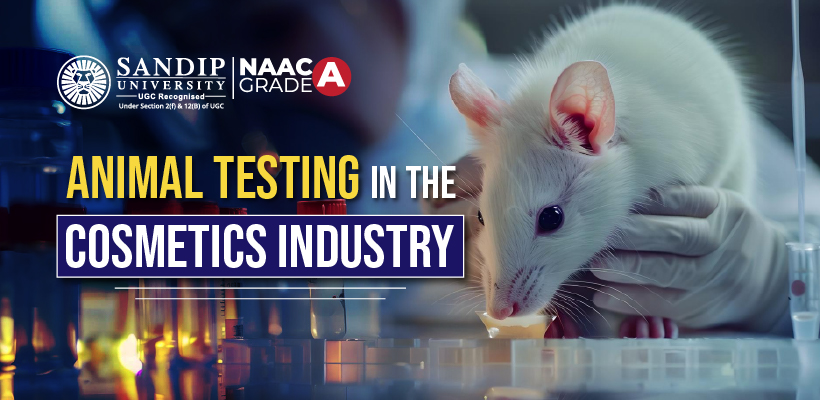
Beauty pops into mind when we picture makeup. Confidence shows up too, along with how people choose to present themselves. Tests on animals hide just beyond that shiny front. “Monkeys Don’t Like Wearing Makeup” – the phrase feels silly at first glance. Yet behind that grin lies something heavy: creatures can’t say yes to tests done for lipstick or lotion. Rabbits, mice, on occasion primates – they’re pulled into labs by the million, all so people might buy another cream. Strange, really, how things promising glow and charm leave pain in their wake. Out here, talk turns to how animal tests play out in makeup labs – right down to rules, morals, and lab results. Testing on creatures happens when companies check if makeup items work safely. Before people can buy them, critters often get used first. Some of the best beauty cosmetology colleges in Nashik are training students to safely test cosmetics without the involvement of animal testing.
What is Animal Testing in Cosmetics?
What scientists learn helps decide what hits store shelves later. Frogs sometimes take part too, though less often than others. Rabbits sit under close watch when chemicals near their eyes. Mice react to doses in ways that hint at human outcomes. Guinea pigs show redness or swelling more clearly than some species. Rats live through tests meant to uncover slow-building harm. Each creature answers questions scientists cannot risk asking people. A few familiar assessments show up often. A patch of bare skin gets treated with substances to check reactions. This happens after trimming the area short. Testing how it responds comes next. Some formulas cause redness. Others do not change appearance at all. Reactions show up within hours sometimes.
Results help spot harsh ingredients; some eye checks involve placing chemicals into an animal’s eye while it cannot move. These trials happen on creatures held still during the process. Fluids go directly onto the eyeball to watch how they react. Researchers observe redness, swelling, or damage afterward. The method has been used for decades in safety assessments for toxicity checks, creatures must swallow substances so scientists can find dangerous amounts. A single number shows how much substance kills half the test group. Death counts reveal which amount proves fatal during trials. Half the creatures die when dosage reaches a deadly point. The midpoint of survival marks the threshold seen across subjects.
This measure tracks potency through mortality observed. Doses climb until results settle at fifty percent loss Most times, these methods cause harm – no pain relief given, even when it hurts badly. When tests wrap up, death ends most animal lives. The Ethical Dilemma of Beauty and Suffering? What really matters here comes down to one thing – hurting animals for things we don’t need, such as makeup, sits on shaky moral ground. Mascara, shampoo – these aren’t medicines. Pain inflicted on animals for items like these feels hard to justify. Life goes on without them, yet creatures still suffer. Choices about comfort clash with choices about cruelty. Worth questioning where we draw the line.
Animals used in testing often experience:
- Severe pain and discomfort burns can happen on the skin. Damage might show up in eyes too
- Psychological stress from confinement.
- Long-term health issues Fur falling off, sores appearing these show up in creatures after too much contact with harsh substances.
Long stretches near chemical agents link to ongoing sickness, research points out Here, “monkeys don’t like wearing makeup” stands for something bigger. Though animals gain nothing from lotions or powders, they still face tests meant for human beauty products. The Science behind Animal Testing Reliability? These days, more people doubt whether testing on animals really works – not just because it feels wrong, but because the results often fail to hold up. Science itself might be pointing toward better paths. One creature might handle a substance just fine, yet another could struggle. Safety in one being does not mean safety in another. Because bodies work in unique ways, results from tests on animals often miss the mark when applied to people.
Moreover, animal testing is often:
- Time-consuming
- Expensive
Still, labs continue using creatures in experiments meant for people. Though seen as outdated by many, these methods hang around. Because real progress lags, suffering stays part of the process. Global Rules Gaps and Steps Forward Few nations began limiting cosmetic tests on animals as time passed. Some later outright banned the practice altogether. India Banned in 2013 – India stepped ahead early when it stopped animal tests for beauty products.
Few nations moved that fast back then European Union Back in 2013, Europe said no to using animals for cosmetic tests – full stop. Selling beauty items that were tried on creatures? That got shut down too. Even so, tests on animals go on because some nations demand product checks by law. Take China, where tests are required for lots of items. Rules there make verification a must. In such places, skipping assessments isn’t an option. Authorities insist on proof before allowing sales each component gets checked through chemical safety rules. Instead of supporting harm, their choices push back against old ways. What people care about shapes how things get made. A quiet change runs through shopping habits. Not every detail shouts it, yet the pattern spreads. Choices add up without fanfare.
A product counts as cruelty-free when nobody ever runs tests on animals while making it.
Groups like:
- Leaping Bunny and PETA Cruelty-Free help consumers identify ethical products
Folks care more now, so looks aren’t enough – doing right matters just as much. Beauty used to mean skin and style; today it means choices too. What you see isn’t the whole story anymore. Standing behind what’s fair shapes how people feel about beauty products. Decisions count, not only dazzle. A different kind of glow has started showing up – one built on honesty instead of shine. Other Ways to Test without Animals Today’s research offers options kinder to living beings – sometimes even better at finding truth. These paths skip old cruelty while sharpening results. A shift away from harsh methods shows progress, not just kindness. Better tools now exist because knowledge moved forward. Some approaches surprise experts by working well without harm. Accuracy grows when testing respects life.
New Ways Replace Outdated Habits Through Steady Discovery
- In Vitro Testing uses human cells and tissues grown in laboratories to study reactions.
- 3D Skin Models Fake skin made by humans acts like actual skin when checking beauty products.
- Computer Simulations Predicts chemical reactions using advanced algorithms.
- Human Volunteer Studies Folks who signed up took part in carefully watched medical tests.
Far from just being fair, these approaches deliver results closer to real human outcomes – often outperforming tests on animals. What stands out isn’t kindness alone, but how well they mirror actual people. In practice, that difference shows up clearly when decisions rely on accurate responses. Not every method adapts so naturally to our biology. Their edge grows where complexity increases, revealing limits of older models.
Customers select what happens next, its people purchasing things that push companies to change how they function.
By selecting cruelty-free products, individuals can:
- Reduce demand for animal testing
- Encourage ethical brand practices
- Support innovation in alternative testing Simple steps include:
- Checking for cruelty-free certifications
- Researching brand policies
- Avoiding products sold in markets that require animal testing Folks start noticing more, so businesses feel the push toward kinder ways of operating.
Conclusion
Monkeys never asked for lipstick or mascara. This line sticks because it feels real. A mirror held up to habits we rarely question. Not everything needs decoration. Some things are meant to stay wild. Change is coming fast in how makeup gets made by professionals holding a B.Sc in Cosmetic Science. Once common, testing on animals now feels outdated – both unnecessary and wrong. New tools have arrived, better ways to check safety without harm. Shoppers care more than before about where products come from. A world without cruel tests isn’t some distant dream – it already took root, quietly spreading. Beauty that damages is not beauty at all. Each choice we make – buying, studying, creating – shapes what beauty means. It can lift up instead of tear down. Our hands hold the power to shape it kindly. What feels true matters as much as what looks correct.
Explore B.Sc Cosmetic Science at Sandip University