
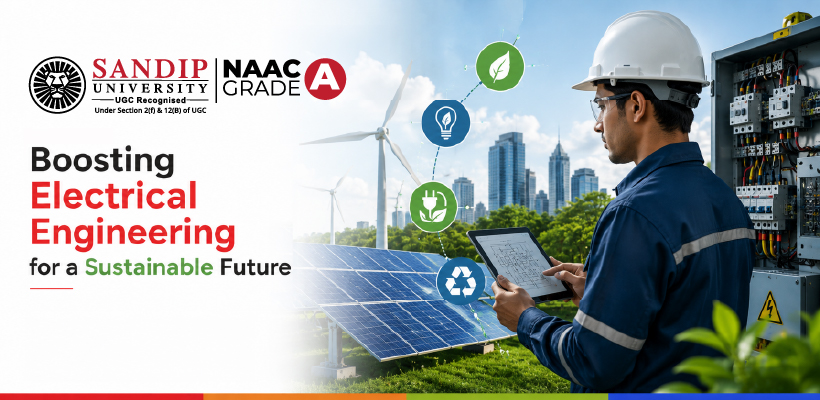
The world is changing fast and technology is changing this world. Electrical engineering is necessary to present day life, from the electric vehicles (EVs) and advanced solar power to smart homes and intelligent systems in industries. Conversely, adversities like climate change, continuous growing electrical energy demand, the exhaustion of non-renewable energy resources and the need for uninterruptible and reliable electricity are compelling engineers to think differently.
Electrical engineering moreover merely power generation, transmission, motors and electrical machines. It has expanded into renewable energy, automation, artificial intelligence, Internet of Things (IoT), electric mobility, smart grids, energy storage and many other emerging areas. These technologies are opening up new opportunities and are changing the skills required of engineers from some of the best engineering colleges in Nashik.
The Changing Role of Electrical Engineers
The engineer of tomorrow will not solely operate still surviving systems. They will be predicted to design solutions that are efficacious, budget-friendly, intelligent, safe, and ecologically responsible.
The progressing responsibilities of electrical engineers conventionally, electrical engineers were principally linked to power systems, electrical machinery, cutting-edge industrial setups, and upkeep. These areas remain significant, but today’s engineer requires a much wider perspective. In a single day, a modern electrical engineer might design a solar photovoltaic system in the morning, use digital tools to analyse energy usage in the afternoon, and later create an IoT-enabled monitoring system. The capacity to comprehend various technologies and integrate them is growing in importance. The engineer of the future will not merely operate current systems. They’re expected to craft solutions that are efficient, beneficial, clever, secure, and also ecologically mindful.
Renewable Energy: Powering a Greener Future
One big bound in electrical engineering is how quickly renewable energy is growing. Solar and wind energy are becoming crucial alternatives to antiquated fossil fuel power. Advanced solar panels turn sunlight straight into electricity and operate great for homes, schools, modern factories, and big power plants. Wind power is also facilitating the generation of clean electricity. Still, sustainable energy has its remonstrance — solar and wind lean on the weather, which can make output uncertain. Electrical engineers are key to pushing ahead power electronics, energy storage, forecasting tools, and grid integration methods. Future power systems will demand engineers who understand not just how electricity is made, but also how to seamlessly integrate renewable energy into today’s grid.
Smart Grids and Intelligent Power Systems
Venerable electrical grids are sluggishly getting smart electrical drives and power electronics—today’s smart grids employ sensors, real-time data, automation, and advanced controls to keep power flowing more proficiently. Smart meters give you an insight of how much electricity you’re employing, and smart sensors can spot troubles before they get worse. Automated systems make things Surer and cut down on downtime. Data analytics lets utilities track how energy is used and manipulate it better. This shift paves the way for electrical engineers who comprehend both power systems and digital tech. Engineers in the power sector will find it appreciating in worth to understand communication networks, IoT, automation, and data analysis.
Electric Vehicles and the Future of Transportation
The future of transportation, particularly in the area of electric vehicles (EVs), as the world looks for cleaner, safer, and smarter methods of moving around. Electrical engineers are involved in almost every component of an electric vehicle, including motors and power converters, batteries, chargers, battery management systems, and control systems. With the increasing number of EVs, there will be greater pressure on the electrical grid since huge amounts of charging can cause a surge in electricity demand and place new strain on the power grid. At present, smart charging, vehicle-to-grid technology, and renewable energy-powered charging stations are the main areas of focus for research and development (R&D). For students, electric mobility represents a thrilling field in which electrical engineering comes into fusion with electronics, computer technology, energy systems, and transportation.
Energy Storage: A Key to Sustainable Electricity
The last layer of gloss for sustainable electricity as we harness more renewable energy, we are presented with new challenges like how to store all this new energy. Batteries and other forms of energy storage can help us by keeping excess electricity produced during energy surges and releasing it during energy deficits. The battery industry is also growing rapidly, especially in casing battery energy storage systems for electric transport and renewable energy. Improvements to battery safety and longevity are some priorities in battery research. Once we have reliable battery storage systems, demand for skilled electrical engineers will rapidly increase in order to support the growth of renewable energy.
IoT and Automation in Electrical Engineering
The world moves quickly and so does technology. Everything is more deeply connected and reliant on electronics and requires the skills of an electrical engineer. This includes electric cars, solar energy, smart homes, and automated industries. Meanwhile, engineers deal with changing demand and climate issues.
There is more to electrical engineering than just power generation along the line. AI and automation, IoT, and renewable energy are just a few of the technologies that are shifting traditional engineering practices. The ever-changing world of technology is creating new industry demands and more opportunities. This, in turn, creates a greater need for innovative electrical engineers.
Artificial Intelligence and Data in Electrical Engineering
Artificial Intelligence (AI) along with other technologies helps make sense of data generated by electrical systems. Using AI helps in making effective decisions.
AI can assist in forecasting loads, predicting faults, predicting failure for maintenance, predicting energy output, and energy optimisation. Understanding complex systems and adapting to constant system changes will be easier for engineers with such functionalities.
AI will not completely replace electrical engineers. Rather, engineers who know how to use AI will be in a better position to develop solutions to difficult problems and create innovative designs.
Skill Development: The Need of the Hour
Technology and durability go hand in hand. Both require advanced skills. Engineering education should focus on knowledge and hands-on skills.
Basic skills of electrical engineering coupled with emerging technologies should form the foundation of the education of future electrical engineers. Some essential future skills include:
- Designing and Installing Renewable Energy Systems
- Electric Vehicle Technology
- PLC and Industrial Automation
- Sensor and Internet of Things (IoT) Technology
- Smart Grid Technology
- Energy Efficiency and Management
- Battery and Energy Storage Technology
- Programming and Data Analysis
- Artificial Intelligence
In civil engineering, knowledge should be complemented with experience. Students should be trained to apply their skills and knowledge. Internships, laboratory visits, research, projects, exposure to industrial competitions, workshops, and industry-university interactions are some of the ways which instruct future engineers to apply their knowledge.
Engineers of Tomorrow: Think Beyond the Textbook
Getting good grades is not the whole story for a future engineer. You also have to build useful habits and skills. Things like thinking in new ways, talking clearly, working with other people, staying adaptable, and keeping a mind-set for learning. You gain confidence through hands-on practice. For example, when you learn how to track down a fault in a circuit. When you write code for a PLC. When you sketch a system and test it. When you look at how energy is used and what it means. Because of this, engineering schools should create spaces for students to try things out. They should allow mistakes and real problem solving. Students really need a bit of space to try out ideas, and sort of shape their own work, because without that they end up stuck, and you know it.
Engineering with a Sustainable Mindset
Sustainability has to sit inside the way we actually make engineering decisions. What we select for a design can touch energy use, materials, cost, safety, and even the world around us… not just one part. If you work as an electrical engineer on a lighting setup, you can aim for efficient fixtures and smart switching. If you are on building systems, you may focus on how energy is managed day to day. If you are a power engineer, you might look at cleaner power sources and ways to store energy. If you are in industrial work, you can cut losses by using high efficiency motors and better drives. Even small steps matter when many people do them at the same time.
Conclusion
The future of electrical engineering seems bright, and also kind of packed with opportunities. Renewable energy, smart grids, electric vehicles, energy storage, IoT, automation, artificial intelligence and advanced power electronics are all quietly reshaping the work.
Still, technology can only be as good as the people who actually build it, and the people who use it too. In practice the real need is to prepare engineers with solid technical fundamentals, with hands-on capability, with fresh innovative thinking, and with a genuine sense of sustainability.
Tomorrow’s engineers holding B.Tech in Electrical Engineering won’t just be “making” tomorrow’s electrical systems. More likely they will assist in creating a cleaner, smarter, safer, and more energy efficient world. Electrical engineering has always been the engine of progress. Now its mission looks even bigger, to keep progress powered sustainably.